Category: Article
-
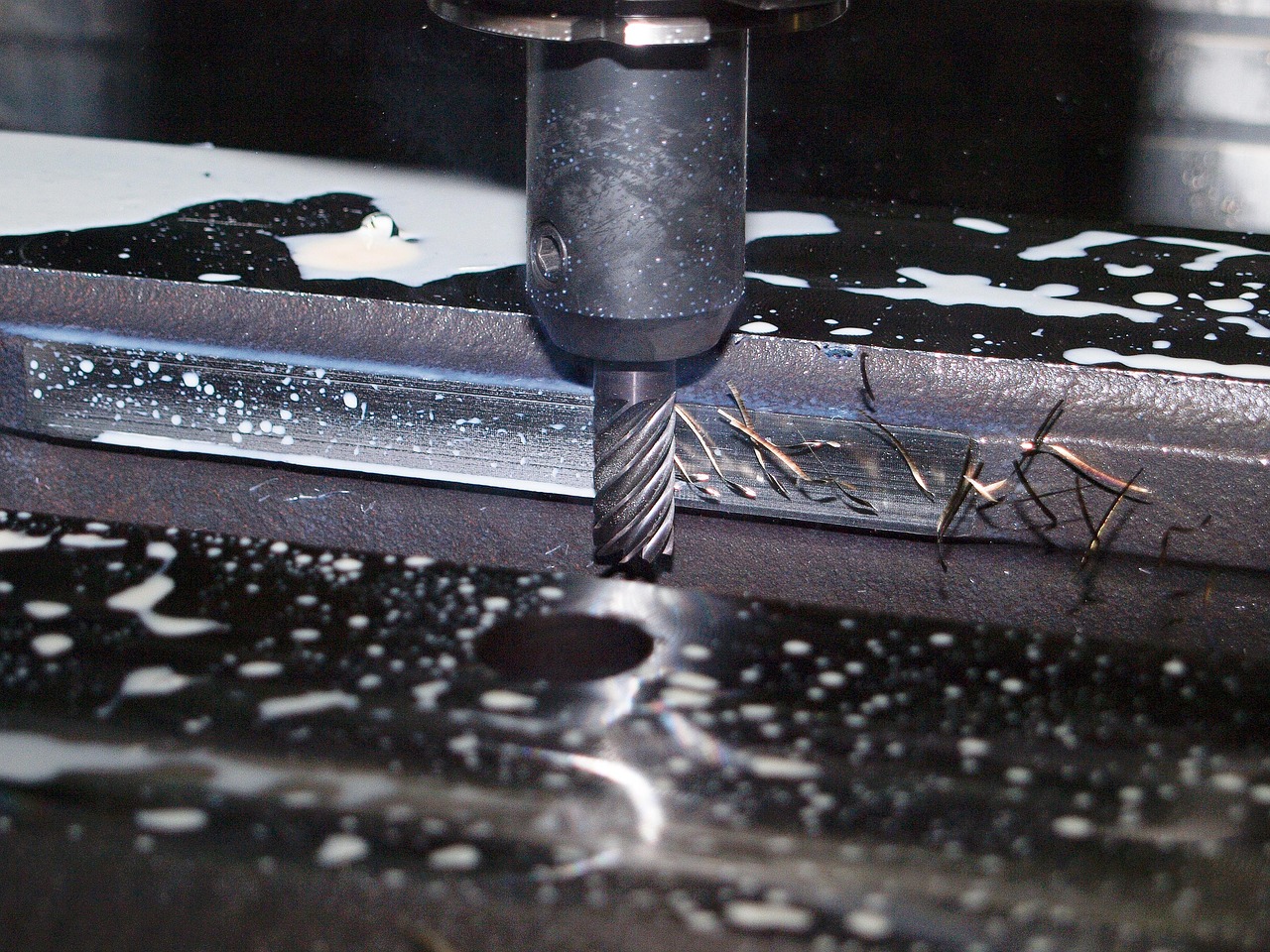
Japan Cutting Tools M&A: Tungsten Constraints, Carve-Outs From Industrial Groups and Foreign Ownership
(Updated October 2026. USD figures are converted at USD/JPY = 150 for reference. EUR figures are shown as disclosed.) Japan’s production of cutting and carbide tools has stayed within a narrow range for a decade. At the same time, tungsten, the main raw material for cemented carbide, has risen to record prices since China introduced…
-
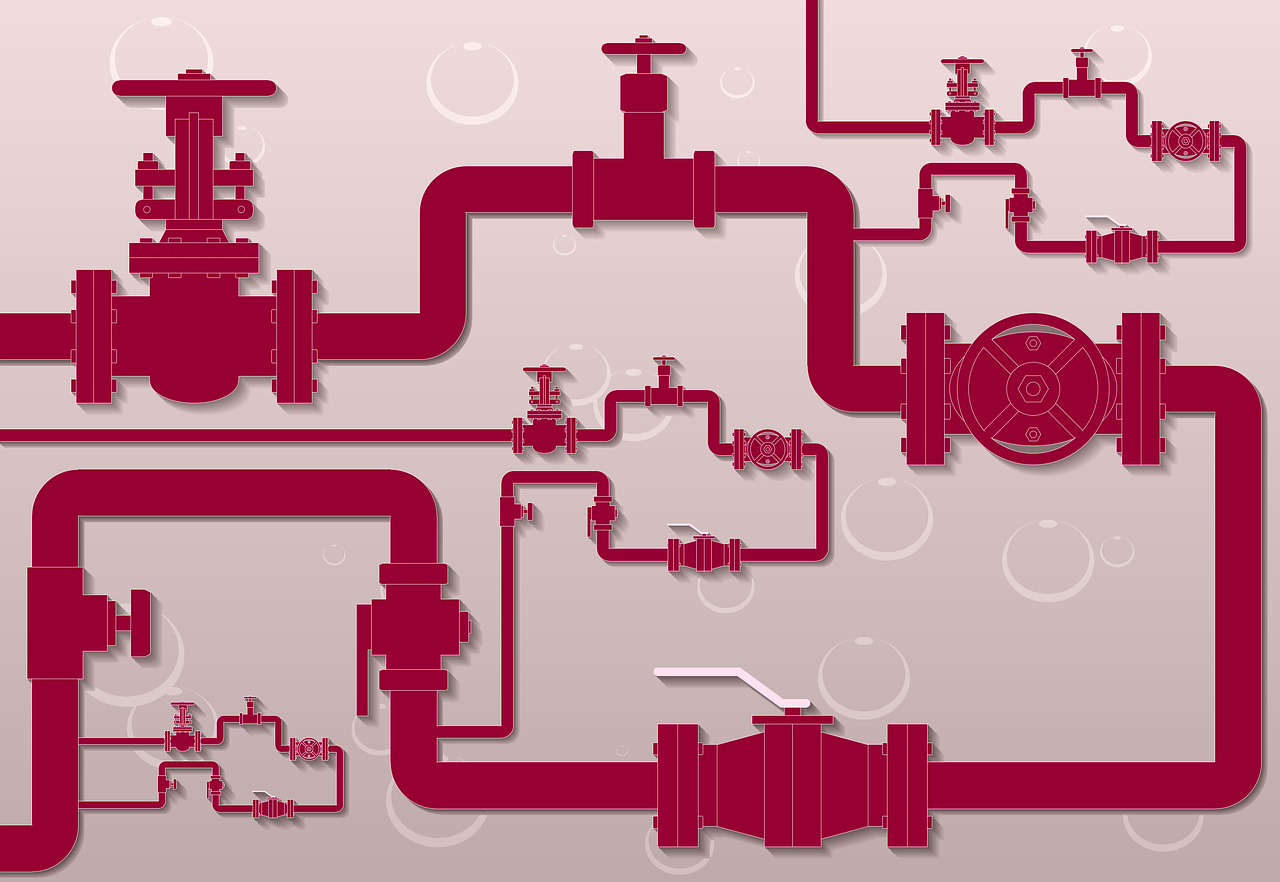
Japan Valve Industry M&A: Carve-Outs From Industrial Groups, Specialist Manufacturers and Japanese Acquirers Abroad
(Updated October 2026. USD figures are converted at USD/JPY = 150 for reference. Historical transactions are also converted at this rate, not at the rate prevailing at the time.) Japan’s valve production by weight remains below its FY2021 level. Production volume by weight fell for 3 consecutive years from FY2021 to FY2024, while production value…
-
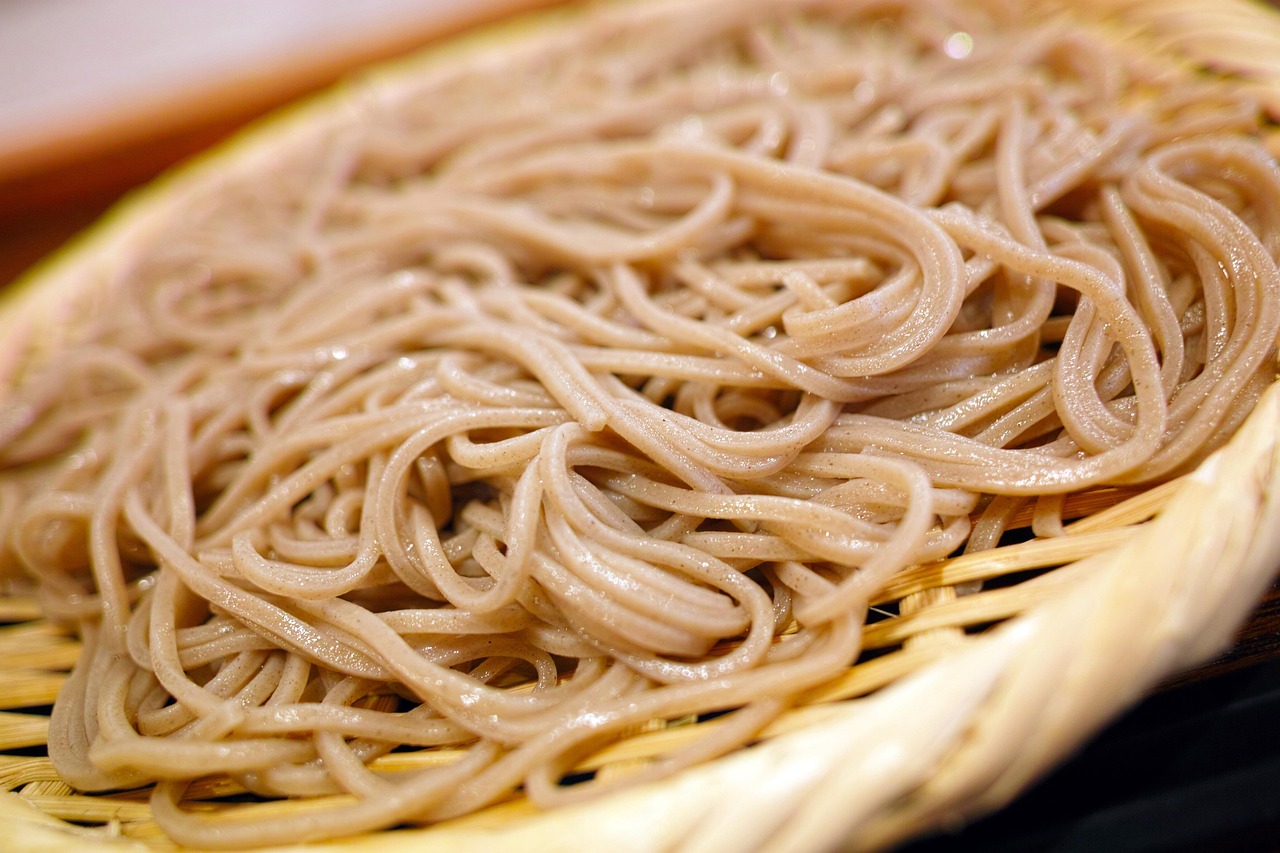
Japan Food Manufacturing M&A: Core-Business Focus, Private Equity and Owner-Run Manufacturers
(Updated October 2026. USD figures are converted at USD/JPY = 150 for reference. Yen equivalents of foreign-currency deal values are as disclosed by the companies.) Food manufacturing alone, excluding beverages, accounts for about one-tenth of Japan’s manufacturing shipments and employs more people than any other manufacturing subsector. Most of its establishments have fewer than 300…
-

Japan Insurance Agency M&A: Regulatory Reform, Divestitures by Insurers and Corporates, and Foreign Brokers Entering Japan
(Updated October 2026. USD figures are converted at USD/JPY = 150 for reference.) Japan’s insurance agency sector is shrinking in number and consolidating in scale. The number of non-life insurance agencies fell to about 124,000 at the end of fiscal 2025, down about 39% from about 202,000 ten years earlier. Following an insurance-claim fraud case…
-
Japan Specialty Chemicals M&A: Carve-Outs From Chemical Majors, Semiconductor Materials and Foreign Capital
(Updated October 2026. USD figures are converted at USD/JPY = 150 for reference.) Since 2024, Japan specialty chemicals M&A has followed several distinct patterns. Japanese majors, including AGC, Mitsubishi Chemical Group, Kyocera and JSR, have carved out businesses in resins, adhesive raw materials and semiconductor materials, and Japanese chemical makers such as Sumitomo Bakelite, Konishi…
-
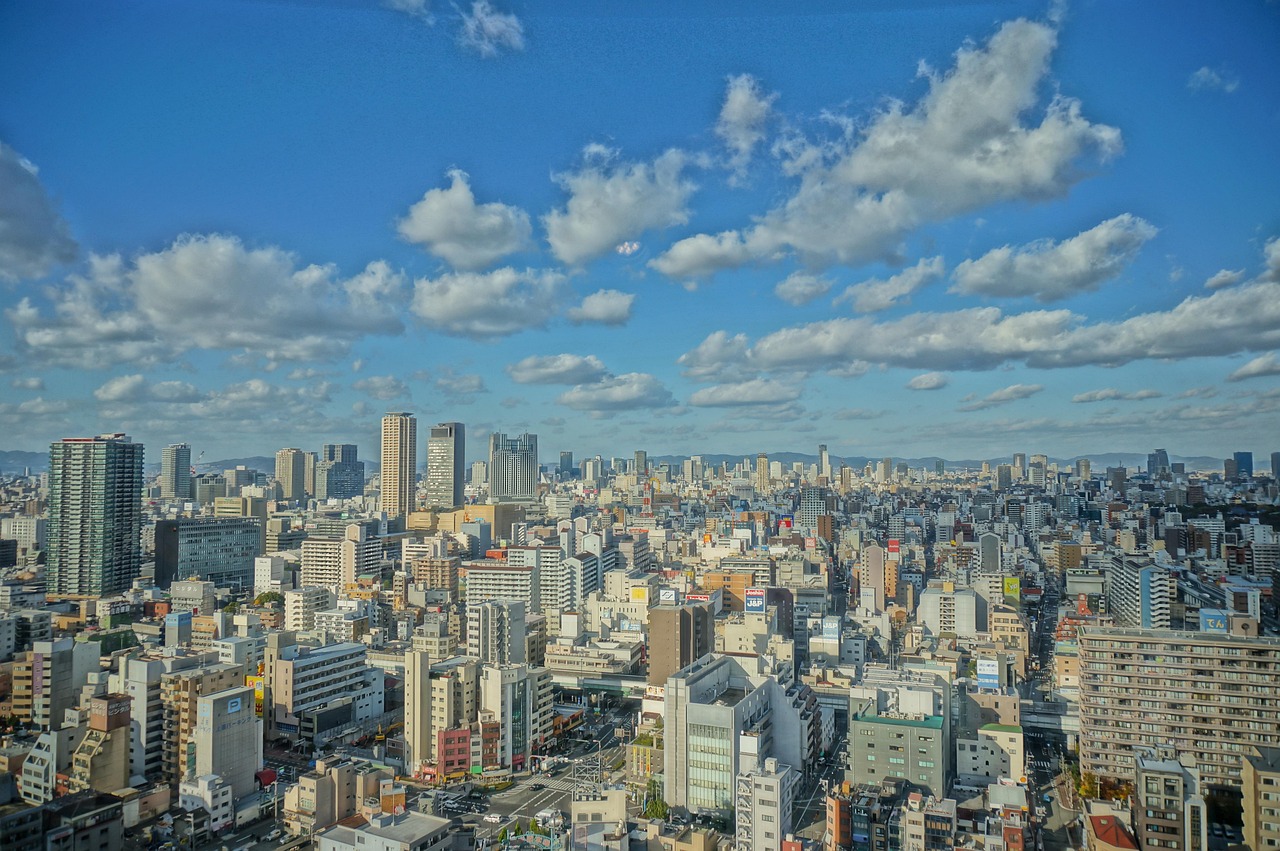
Proprietary Deal Sourcing in Japan: Why Foreign Buyers Need a Pipeline, Not a Teaser Queue
The single biggest constraint on inbound M&A in Japan is not price or regulation — it is access. Here is why the default process fails foreign buyers, and how a proactive, proprietary sourcing programme solves it in three months. By Syntax Partners — a Japan-based independent cross-border M&A advisory firm Executive summary For foreign strategic…
-
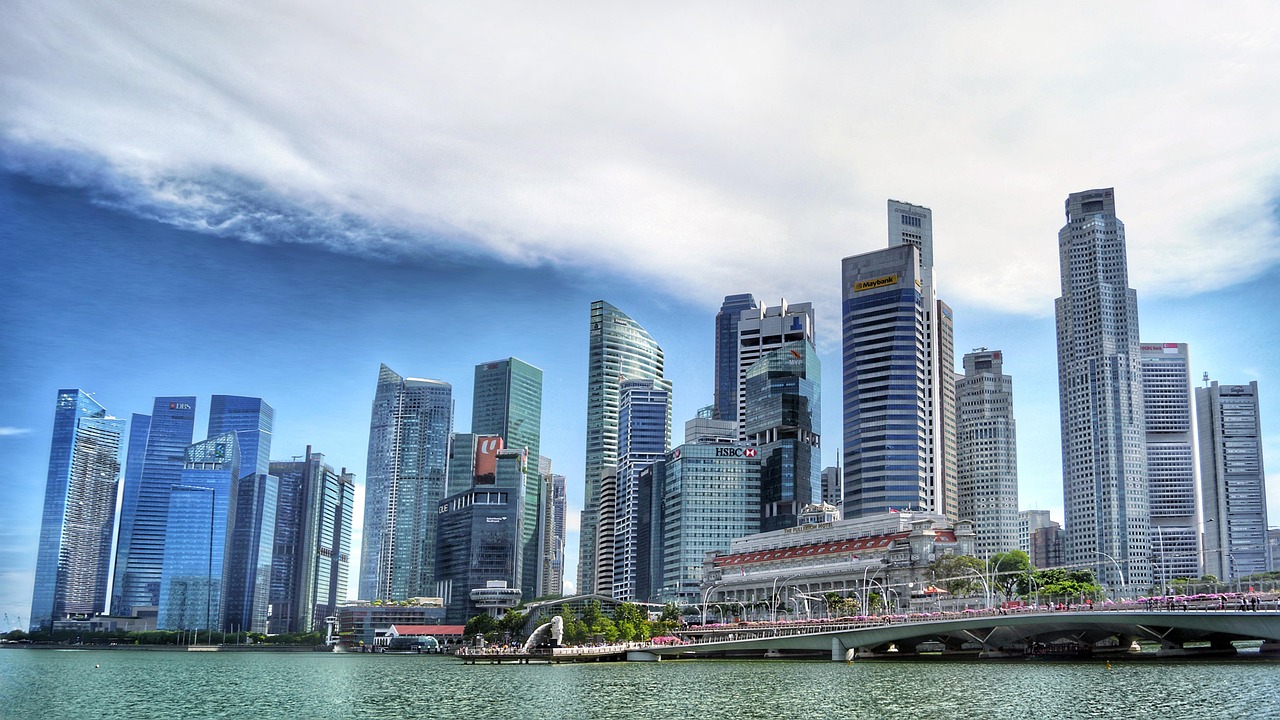
Asia-Pacific Cross-Border M&A by Japanese Companies — Q2 2026 Review: A Shift Toward Consumer and Digital
Executive Summary In the first half of 2026 (January–June), the observed number of of cross-border M&A by Japanese companies across Asia-Pacific (APAC) reached 182 (of which 91 in the second quarter; Syntax Partners research, on an observation-date basis. On a deal-count basis; transaction values are outside the scope of this tally. The same applies hereafter).…
-

Japan Automotive Parts M&A: Keiretsu Restructuring, Carve-Outs From Major Groups and Foreign Acquirers in the CASE and SDV Era
(Updated October 2026. USD figures are converted at USD/JPY = 150 for reference.) Japan’s automotive parts industry is adjusting to CASE (connected, autonomous, shared and electric) technologies and software-defined vehicles (SDV) while the capital ties within its supplier groups (keiretsu) are being reviewed. Over the past few years, automotive parts and related materials subsidiaries and…
-
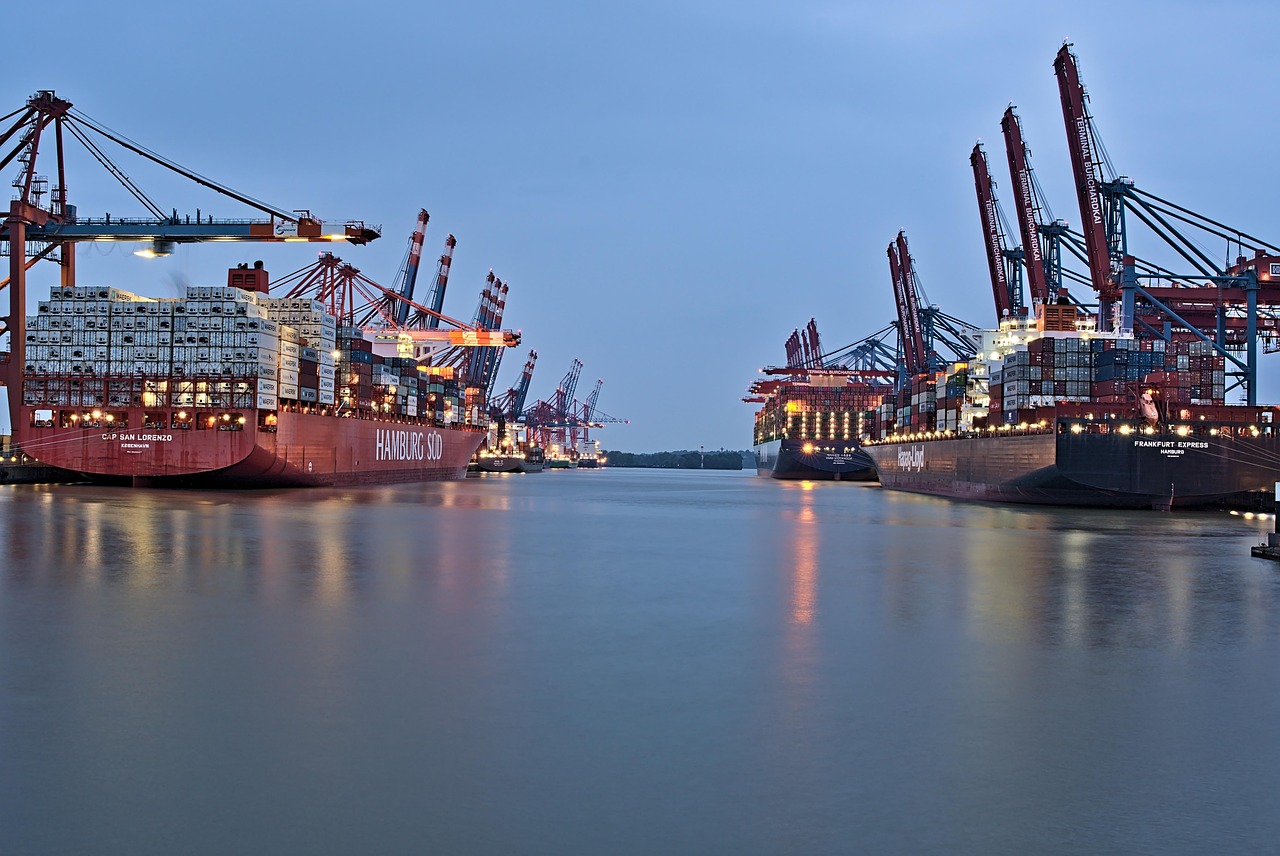
Japan Chemical Trading M&A: Chemical-Major Carve-Outs, Owner-Run Distributors and Overseas Acquisitions
(Updated October 2026. USD figures are converted at USD/JPY = 150 for reference.) Japanese chemical trading companies (kagaku shosha) buy chemicals, synthetic resins, electronic materials and food ingredients from chemical manufacturers and sell them to processors and end-product manufacturers. Over the past few years, Japanese chemical majors such as Mitsubishi Chemical, Mitsui Chemicals and Asahi…
-

Asia-Pacific Cross-Border M&A by Japanese Companies — Q1 2026 Review
Executive Summary In the first quarter of 2026 (January–March), the number of cross-border M&A by Japanese companies across Asia-Pacific (APAC) reached 91 (Syntax Partners research, on an observation-date basis; the same applies hereafter). By country and region, Singapore led with 18 deals (19.8%), followed by China (12 deals, 13.2%), Thailand (10 deals, 11.0%) and Taiwan…
-

Reviewing M&A/Acquisition Proposals by Japanese Firms: 5 Perspectives Every Owner Should Consider First
Introduction M&A/acquisition proposals from Japanese companies often arrive with little warning. Whether through an intermediary, a mutual business contact, or a direct approach from the buyer, the initial experience for a business owner is the same: limited information, high stakes, and an implicit pressure to respond. It is important to recognise at the outset that…
-

Cross-Border M&A “Reading Skills”: IM Review as the Starting Point for LOI, Due Diligence, and Negotiation
In cross-border M&A, the buyer’s work truly starts after signing an NDA (non-disclosure agreement) and receiving the seller’s disclosure package. The centerpiece of that package is the IM (Information Memorandum)—a structured review packet that consolidates business, financials, organization, forward plan, and the proposed transaction outline for initial assessment. In a typical buy-side flow, IM review…